
Velvet Realty Group Blog
How Much Does It Cost to Sell a House in San Antonio?
A clear 2026 breakdown of seller closing costs, agent compensation after the NAR settlement and Texas SB 1968, and how to estimate your real net proceeds.
Quick Answer
~6%–9%
of the sale price is what it typically costs to sell a San Antonio home in 2026 , about $18,000–$27,500 on the $306,000 May 2026 SABOR median, before your mortgage payoff.
The agent-fee portion is negotiable and not set by law.
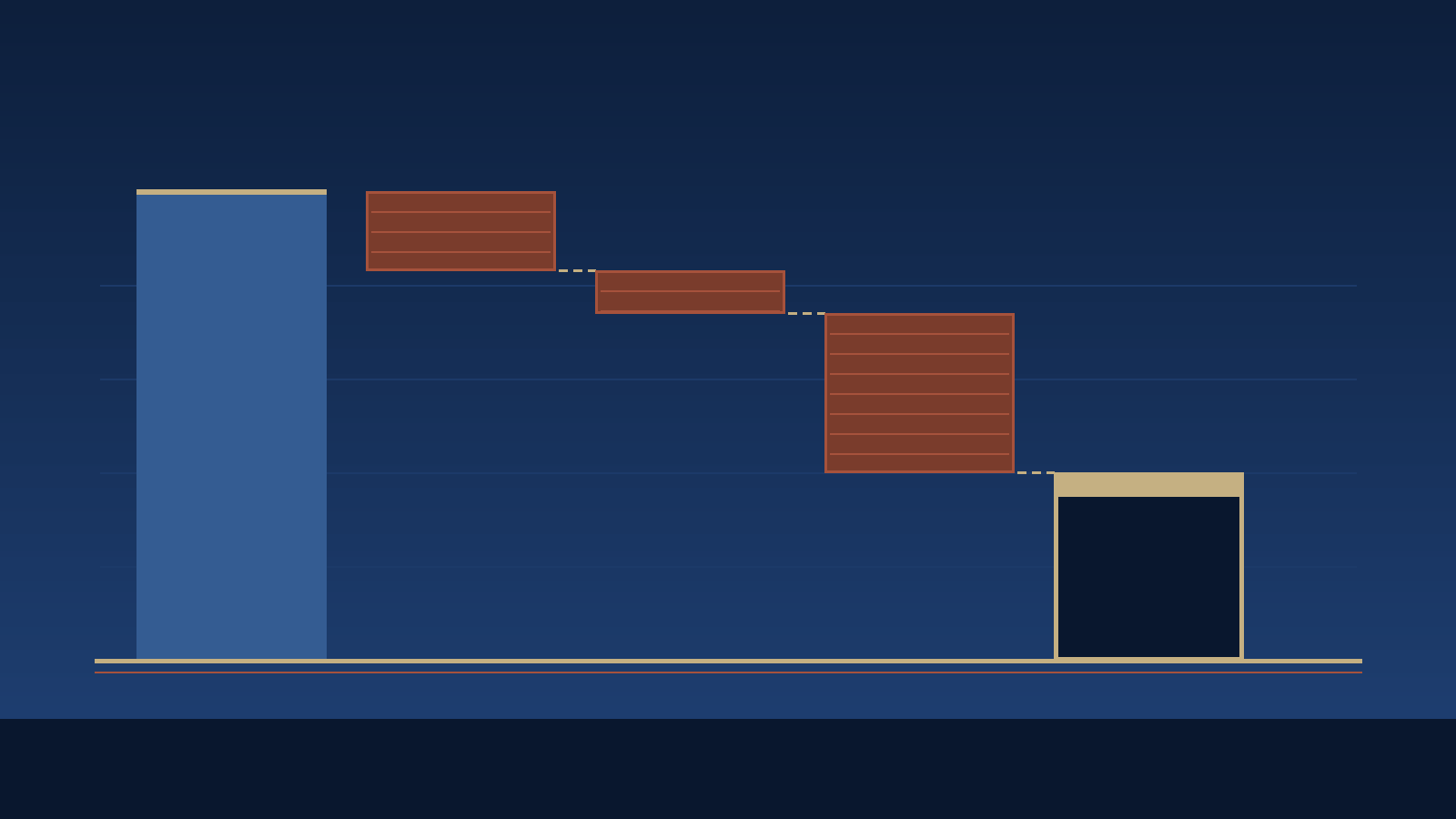
Verify Before Acting: San Antonio Seller Costs
Cost-to-sell ranges are useful for planning, but your real number depends on your sale price, mortgage payoff, neighborhood, and what you negotiate in the contract. Confirm the moving pieces against primary sources before you decide.
For this topic, start with the San Antonio Board of Realtors (SABOR) market statistics for current pricing, the National Association of Realtors settlement guidance and the Texas Real Estate Commission (TREC) explanation of SB 1968 for how agent compensation now works, and a Velvet Realty Group seller net sheet for your specific property.
Last updated: April 25, 2026
Short answer: In 2026, selling a home in San Antonio typically costs about 6% to 9% of the sale price once you add the listing-side agent fee, any buyer-agent compensation you agree to cover, and your Texas seller closing costs. On the May 2026 San Antonio median sale price of $306,000, that is roughly $18,000 to $27,500 , before your remaining mortgage payoff. Agent compensation is negotiable and not set by law, and Texas charges no state real estate transfer tax.
“What will I actually walk away with?” is the first question almost every San Antonio seller asks, and it is the right one. The headline sale price is rarely the number that lands in your bank account. Between agent compensation, Texas closing costs, prorated property taxes, and your remaining loan balance, the real figure is your net proceeds, and getting to it honestly is what separates a smooth sale from a stressful one.
Velvet Realty Group helps San Antonio sellers estimate real estate transaction costs, prepare a seller net sheet, and plan the listing and closing timeline. The mortgage servicer or lender supplies the payoff statement, and tax or financial questions should go to the appropriate qualified professional.
What Does It Cost to Sell a House in San Antonio in 2026?
Total selling costs in the San Antonio market generally land between 6% and 9% of the sale price. That range has three parts:
- Your listing agent's compensation , the fee you agree to in your listing agreement. It is negotiable and not set by law.
- Buyer-agent compensation, if you choose to offer it , an optional concession you and your agent may decide to include to attract more buyers (more on this below).
- Texas seller closing costs , title, escrow, recording, prorated taxes, and HOA items, usually about 1% to 3% of the price.
The biggest variable is agent compensation, because since 2024 there is no “standard” or automatic buyer-agent fee built into the MLS. What you offer, if anything, is now a deliberate strategy decision. The rest of this guide breaks each piece down.
San Antonio's 2026 Market Sets Your Starting Number
Your costs are a percentage of your sale price, so the local market is the foundation. In May 2026, the median sale price across the San Antonio area was $306,000, down about 1% year over year, according to the San Antonio Board of Realtors (SABOR) monthly statistics release. The average sale price was $379,697 across 3,637 closed sales, which tells you the market is steady but price-sensitive, with buyers paying attention to value.
In a balanced-to-cooling market like this, two things matter for your bottom line: pricing correctly from day one so you are not chasing the market down, and deciding strategically whether a buyer-agent concession will help your home stand out. Both decisions move your net proceeds more than any single line-item fee.
Real Estate Commissions in 2026: Who Pays the Agent Now?
The short version: a seller pays their own listing agent under the listing agreement, and buyer-agent compensation is now negotiated separately rather than advertised on the MLS. Two changes , one national, one specific to Texas , reshaped how this works.
The NAR Settlement (Effective August 17, 2024)
The National Association of Realtors (NAR) settlement put two practice changes into effect on August 17, 2024:
- No buyer-broker compensation offers on the MLS. Listings can no longer advertise a fixed amount being offered to the buyer's agent. Any such compensation is now handled off-MLS, through negotiation and the purchase contract.
- Written buyer agreements before touring. An agent working with a buyer must have a signed written agreement with that buyer before showing a home.
Importantly, sellers may still offer to cover buyer-agent compensation , the settlement did not ban it. It simply moved that decision off the MLS and into open negotiation.
Texas Senate Bill 1968 (Effective January 1, 2026)
Texas then added its own layer. Senate Bill 1968, passed by the 89th Texas Legislature and effective January 1, 2026, requires a broker to have a written agreement with a prospective buyer before showing residential property (or before presenting an offer if there is no showing). That agreement can be a full representation agreement or a non-exclusive showing-only agreement capped at 14 days, per the Texas Real Estate Commission (TREC) and Texas Realtors guidance.
Every written buyer agreement must spell out the services, the termination date, whether it is exclusive, whether the agent represents the buyer, and the compensation , with conspicuous language that broker compensation is “not set by law and is fully negotiable.” The same negotiability language now appears on the updated Information About Brokerage Services (IABS) form.
So Do San Antonio Sellers Still Pay the Buyer's Agent?
Answer: Only if you choose to. There is no rule requiring a seller to pay the buyer's agent in Texas. Many San Antonio sellers still offer a buyer-agent concession because it can widen the buyer pool and keep offers competitive , especially in a price-sensitive 2026 market , but it is a strategy decision you make with your listing agent, negotiated in the contract, not a fixed cost.
In practice, you have three paths: offer a buyer-agent concession to maximize buyer interest, offer nothing and let buyers negotiate their own agent's fee into their offer, or stay flexible and respond to what each offer proposes. The right call depends on your price point, your buyer audience (a VA buyer near JBSA has different cash constraints than a move-up buyer in Stone Oak), and how quickly you need to sell.
Texas Seller Closing Costs (Excluding Commission)
Beyond agent fees, your Texas seller closing costs usually total about 1% to 3% of the sale price. Here is what those line items are and who customarily pays them in Texas:
| Line item | Who typically pays in Texas | Ballpark |
|---|---|---|
| Owner's title insurance policy | Seller (Texas custom) | ~$1,900–$2,200 at state-set rates |
| Escrow / settlement fee | Often split or negotiated | ~$250–$750 per side |
| Recording & deed-release fees | Seller for releasing existing liens | ~$100–$200 |
| Prorated property taxes | Seller credits buyer (taxes paid in arrears) | Varies by days owned & tax rate |
| HOA resale certificate / transfer fee | Negotiated; often seller | ~$200–$500 |
| Survey (if no current one exists) | Buyer usually, unless seller provides | ~$400–$700 |
| Seller concessions (optional) | Seller's choice, set in contract | Negotiated |
Two Texas-specific points are worth highlighting. First, Texas has no state real estate transfer tax, which meaningfully lowers the cost of selling here compared to many other states. Second, the owner's title insurance policy is customarily paid by the seller in Texas, and its premium is promulgated , set by the Texas Department of Insurance , so every title company charges the same rate. The negotiable part is the escrow or settlement fee, not the title premium itself.
Because Texas property taxes are paid in arrears, your closing will include a proration: you credit the buyer for the share of the year's property taxes that accrued while you owned the home. If you want the full picture of how Bexar County taxes work, our Texas property tax guide for San Antonio homeowners breaks it down.
A San Antonio Seller's Net-Proceeds Example
Here is how the math comes together on the May 2026 median price. These are illustrative estimates to show the structure, not a quote , your real numbers depend on what you negotiate and your loan balance.
- Sale price: $306,000
- Texas seller closing costs (~2%): about $6,100 (title policy, escrow, recording, prorations, HOA items)
- Agent compensation (negotiable): for illustration only, if total agent compensation is in a 5%–6% range, that is roughly $15,300–$18,400 , you decide what, if anything, to offer a buyer's agent
- Estimated total selling costs: roughly $21,000–$24,500 (about 7%–8%)
- Your net proceeds: sale price − total selling costs − your remaining mortgage payoff
So on a $306,000 sale with, say, a $180,000 loan payoff, estimated net proceeds would be roughly $100,000–$105,000 in this illustration. Change the price, the loan balance, or the buyer-agent decision and that number moves. That is exactly why a personalized net sheet beats any blog-post average.
6 Ways San Antonio Sellers Protect Their Net Proceeds
- Price right from day one. In a price-sensitive 2026 market, overpricing leads to reductions that cost more than getting the number right at launch.
- Treat the buyer-agent concession as a marketing lever. Decide deliberately whether offering it brings enough additional buyers to justify the cost , it is now a choice, not a default.
- Negotiate the negotiable costs. The escrow fee, HOA timing, and concessions all have room; the promulgated title premium does not.
- Consider a pre-listing inspection. Knowing your home's issues in advance prevents surprise credits and re-negotiations that erode your net.
- Mind the calendar. Prorated taxes, HOA dues, and your loan's per-diem interest all shift with your closing date.
- Get a real net sheet before listing. The single best way to protect your proceeds is to know them before you commit to a price or a concession.
Frequently Asked Questions About the Cost to Sell in San Antonio
How much does it cost to sell a house in San Antonio in 2026?
Plan on about 6% to 9% of the sale price for total selling costs , the listing-side agent fee, any buyer-agent compensation you choose to cover, and Texas seller closing costs. On the May 2026 San Antonio median of $306,000, that is roughly $18,000 to $27,500 before your mortgage payoff. Agent compensation is negotiable, and Texas has no state transfer tax.
Who pays the real estate agent when you sell a home in Texas now?
You pay your own listing agent under your listing agreement. Buyer-agent compensation is negotiated separately and can no longer be advertised on the MLS (NAR settlement, effective August 17, 2024). You may still offer to cover it as a contract concession. Under Texas SB 1968 (effective January 1, 2026), a buyer must sign a written agreement before touring, and all fees are disclosed as “not set by law and fully negotiable.”
Do I have to pay the buyer's agent commission as a seller?
No. It is optional and negotiable. Many San Antonio sellers still offer a buyer-agent concession to attract more buyers and stronger offers, but that is a strategy decision you make with your agent, not a requirement.
What is the median home price in San Antonio in 2026?
The median sale price was $306,000 in May 2026 according to SABOR, down about 1% year over year, with an average of $379,697 across 3,637 sales. Your sale price depends on your neighborhood, condition, and timing.
How do I find out my exact net proceeds?
Ask for a seller net sheet. It starts from your expected sale price, subtracts your mortgage payoff, your Texas closing costs, and the agent compensation you agree to, and shows your estimated cash at closing. Velvet Realty Group can build one for your specific address and loan balance.
Turn the estimate into a seller net sheet
A percentage range is only a starting point. The practical next step for most San Antonio sellers is to convert these ranges into a personalized net sheet, then use that number to set a realistic list price and a deliberate position on buyer-agent compensation. Those two choices drive your proceeds far more than any single closing-cost line item.
For move-up sellers, the net-proceeds number also affects the next purchase. Velvet Realty Group can coordinate listing and purchase timelines, while the lender and financial professionals the client chooses handle loan qualification and financial advice.
What to Ask Before You List
Ask what your home is likely to net, not just what it might list for, and ask what a buyer-agent concession would realistically add in buyer interest at your price point. The answers point to the right price, the right concession strategy, and a closing timeline that protects your bottom line.
Where Should You Go Next?
Sources Behind The San Antonio Cost-to-Sell Guide
Sources reviewed June 15, 2026. Check the linked references for the current data, rules, and guidance used in this article.
- San Antonio Board of Realtors (SABOR) Market Statistics , May 2026 median sale price ($306,000), average price, and closed-sales volume for the San Antonio area.
- National Association of Realtors , August 17, 2024 Practice Change Implementation , no buyer-broker compensation offers on the MLS; written buyer agreements before touring.
- Texas Real Estate Commission (TREC) , What SB 1968 Means for You , Texas written buyer-agreement requirements effective January 1, 2026.
- Texas Realtors , Agency Law Explainer (SB 1968) , written agreement and showing-agreement rules, and the “not set by law and fully negotiable” compensation disclosure.
- Texas Comptroller , Property Tax , how Texas property taxes (paid in arrears) are prorated at closing.
- TREC Information About Brokerage Services , Texas brokerage relationship and required disclosure context.
Questions About Selling Costs In San Antonio
Is it cheaper to sell a house in Texas than in other states?
Often, yes, on the government side: Texas has no state real estate transfer tax, which removes a cost sellers face in many states. Your largest variable cost is agent compensation, which is fully negotiable.
Can I sell without offering anything to the buyer's agent?
You can. There is no requirement to offer buyer-agent compensation. Whether it is wise depends on your price point and buyer audience , sometimes a concession attracts enough additional buyers to net you more, sometimes not. That is a strategy conversation with your listing agent.
When should I talk with Jonathan and Naomi?
Before you set a price or sign a listing agreement. A short conversation and a personalized net sheet can clarify your likely proceeds, the right pricing, and your buyer-agent strategy while you still have time to choose calmly.
Want To Know Your Real Net Proceeds?
Share your address, target timeline, and loan balance. Jonathan and Naomi can prepare a personalized seller net sheet so you know your number before you list.